
An electric water heater does not burn anything, so it is tempting to think nothing much can go wrong. In practice, the parts that do the work (two heating elements, two thermostats, and a high-limit safety switch) fail in predictable ways. The upper thermostat heats the top third of the tank first, then switches power to the lower element. If the upper element or thermostat fails, the lower one never gets its turn, and you get no hot water at all. If the lower element burns out, the top of the tank still heats, so you get a short burst of hot water that runs out fast. For Cambridge, MA homeowners, knowing which symptom you have is the first step toward the right fix.
Cambridge Water Heater tests electric heaters with a meter, not a hunch. With power confirmed off, our technicians check each element's resistance and test it for a short to the tank, a common failure that can keep tripping the high-limit. Then, following careful live-testing procedure, we verify voltage at the thermostats and watch how power moves from the upper side to the lower side. We look for scorched wires, melted insulation, and loose terminal screws, since a loose connection can heat up enough to damage the thermostat and the wiring around it. If the reset button has tripped, we find out why before resetting it, because a high-limit that trips is doing its job.
Once we know what failed, the fix is usually quick. Elements, thermostats, and high-limit switches are standard parts, and our trucks carry the common sizes. Replacing an element means shutting off power, draining the tank, installing the new element, and refilling completely before power is restored, which protects the new element from a dry fire. Damaged wiring, loose terminals, and sediment on the tank bottom are handled in the same visit. If replacement makes more sense, we install new electric heaters sized to your household's first-hour demand, confirm the breaker and wire gauge are correct, and add the expansion tank, drain pan, and strapping your local code requires. Is your electric water heater acting up? Call (617) 209-6487 today.
Most of our service calls are for Water Heater Repair in Cambridge and Water Heater Installation in Cambridge. That's the place to start for most homes.
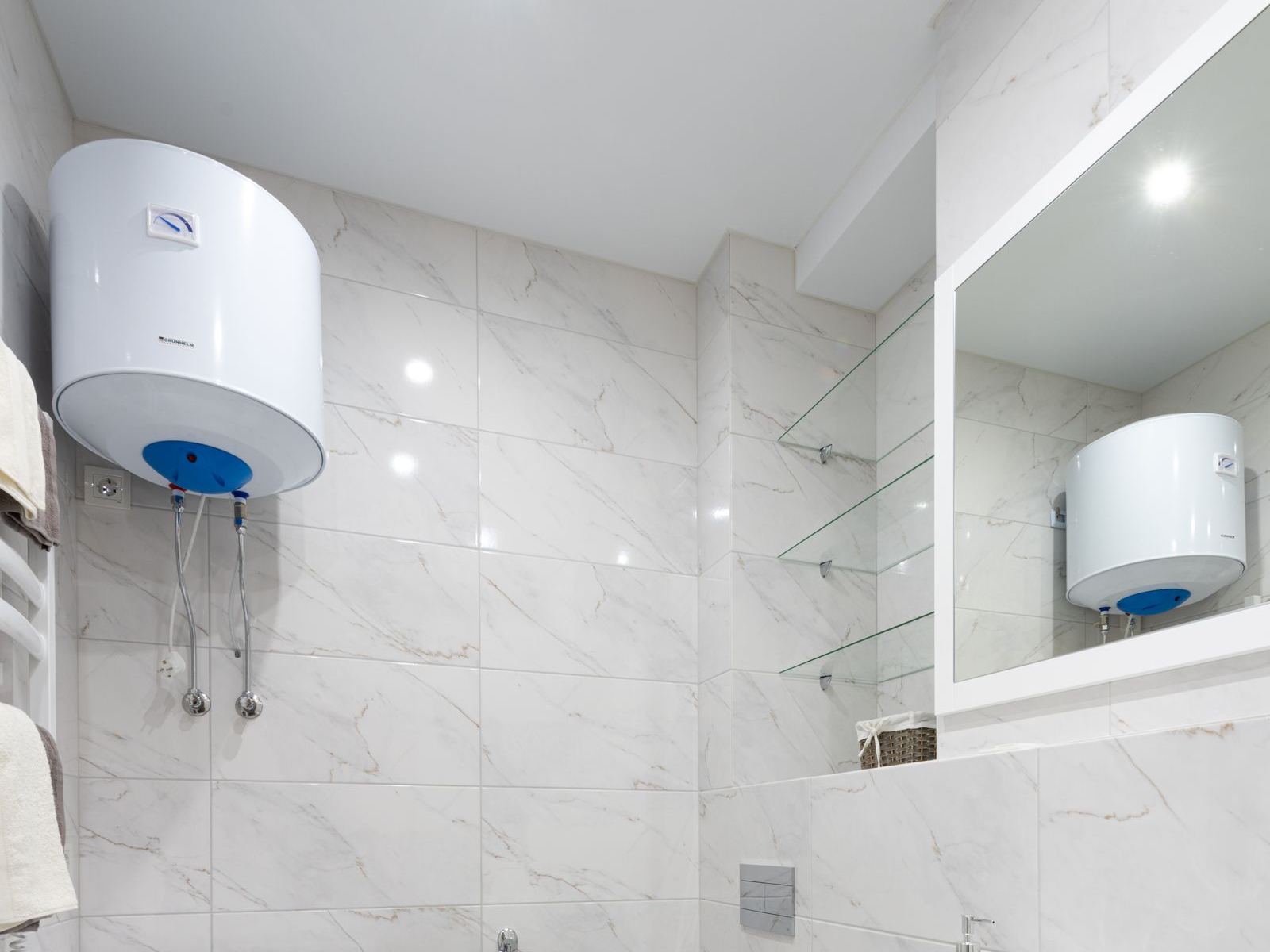
When to Call for Electric Water Heater Services
A heater that is starting to struggle rarely hides it for long, and the clues are easy to spot once you know them. Watch for these telltale signs that professional help is needed:
- A tank that has stopped heating completely
- Browned wiring or a burnt odor from behind the access cover
- A short burst of hot water, then nothing but tepid
- The high-limit reset popping again after you push it
- A hissing or sizzling noise near the lower element
- Water dripping from an element gasket or pooling under the tank
- Tap water much hotter than the thermostat setting
- A breaker that trips when the heater calls for heat
Early Action Saves Money
Tanks rarely fail all at once. They corrode from the inside for months, and the warning signs show up long before the floor gets wet. At the first hint of a problem, reach out to Cambridge Water Heater at (617) 209-6487 and we'll take a look.
Get Electric Water Heater Services Handled Today
One call gets a technician scheduled and a clear price before any work starts.
Get Help: (617) 209-6487Your Electric Water Heater Services Questions Answered
Why This Job Calls for a Pro
Start with the electrical risk. A standard electric water heater is a 240-volt appliance on a dedicated circuit, and both thermostats sit a finger's width from live terminals. One missed step in killing the power, or one slipped screwdriver, can mean a serious shock. Then there is the diagnostic puzzle: no hot water can mean a tripped breaker, a tripped high-limit, a failed upper element, or a bad upper thermostat, and every guess that misses costs you a part and an afternoon. Element replacement adds another trap, because an element powered before the tank is full burns out almost instantly.
What a trained technician brings is certainty. We test instead of guessing, from element resistance and ground-fault checks to thermostat operation and supply voltage. We repair heat-damaged wiring properly, tighten or replace terminal connections, and refill the tank completely before power goes on, so a new element is never destroyed by a dry fire. And because some electric heaters are simply worn out, we give you a straight answer on repair versus replacement, including whether a heat pump water heater might make sense for your home.
Our Electric Water Heater Services Process
We work through a clear, repeatable process so you always know what's happening and what it will cost. Here's the short version:
Meter-Based Diagnosis
We check the breaker and supply voltage, then we meter both elements for resistance and shorts to ground, both thermostats, and the high-limit switch.
Plain Findings & Upfront Quote
Nothing hidden on the invoice. We explain the fault, quote the fix up front, and let you know if replacement is the better value on an aging heater.
Same-Visit Repair
One visit usually does it. We replace the failed part, repair any heat-damaged wiring, and refill the tank completely before power goes back on.
Full Performance Test
A repair is not done until it is proven. We verify amperage on the elements, confirm the thermostats cycle properly, and set the temperature to about 120 degrees for safety.
How to Prevent Water Heater Problems
A little routine care goes a long way toward keeping a water heater running well past its expected lifespan. Here are our recommendations:
- Treat a tripped high-limit as a warning sign, not a nuisance
- After any draining, refill the tank fully and run a hot faucet before restoring power
- Choose a setting of about 120 degrees to balance comfort, safety, and operating cost
- Replace a worn anode rod before corrosion moves on to the tank itself
- Flush the tank regularly to keep minerals from piling up around the lower element
- Check the T&P relief valve annually, and call if it drips afterward
- Consider a water softener if you have hard water, since it slows sediment and scale on the elements
Doing It Yourself vs. Hiring a Technician
Some simple checks are fine to do yourself, but most water heater repairs benefit from professional tools, training, and experience. Here's how the two approaches stack up:
| Consideration | Doing It Yourself | Professional Service |
|---|---|---|
| Finding the Fault | Swap parts until the water heats | Every element and thermostat metered |
| Electrical Safety | Risk of shock or arc at the thermostat | Circuit tested dead, then work begins |
| Draining & Refilling | Dry-fired element burns out instantly | Tank drained, refilled, and purged of air first |
| High-Limit Trips | Push reset and hope it holds | Stuck thermostat or grounded element traced |
| Tank Condition | Minerals left to shorten element life | Honest read on the tank's remaining life |
| Outcome | Element fails again within months | Lasting repair, confirmed by testing |
Talk to Our Electric Water Heater Services Team
Every day a leak or a failing part goes unchecked puts more stress on the tank. Get Cambridge Water Heater on the job today.
Get Help: (617) 209-6487Areas We Serve for Electric Water Heater Services
We bring electric water heater services to homes and businesses in town and across the nearby communities. Pick your area to see local details.